Hidden Mold Remediation (Behind Walls) in Globeville, CO
Hidden mold is removed from wall cavities and behind fixtures in your Globeville property. Call 24/7 to start your assessment and cleanup.
- Moisture readings before openings
- Contained drywall removal
- Cavity cleaning and drying
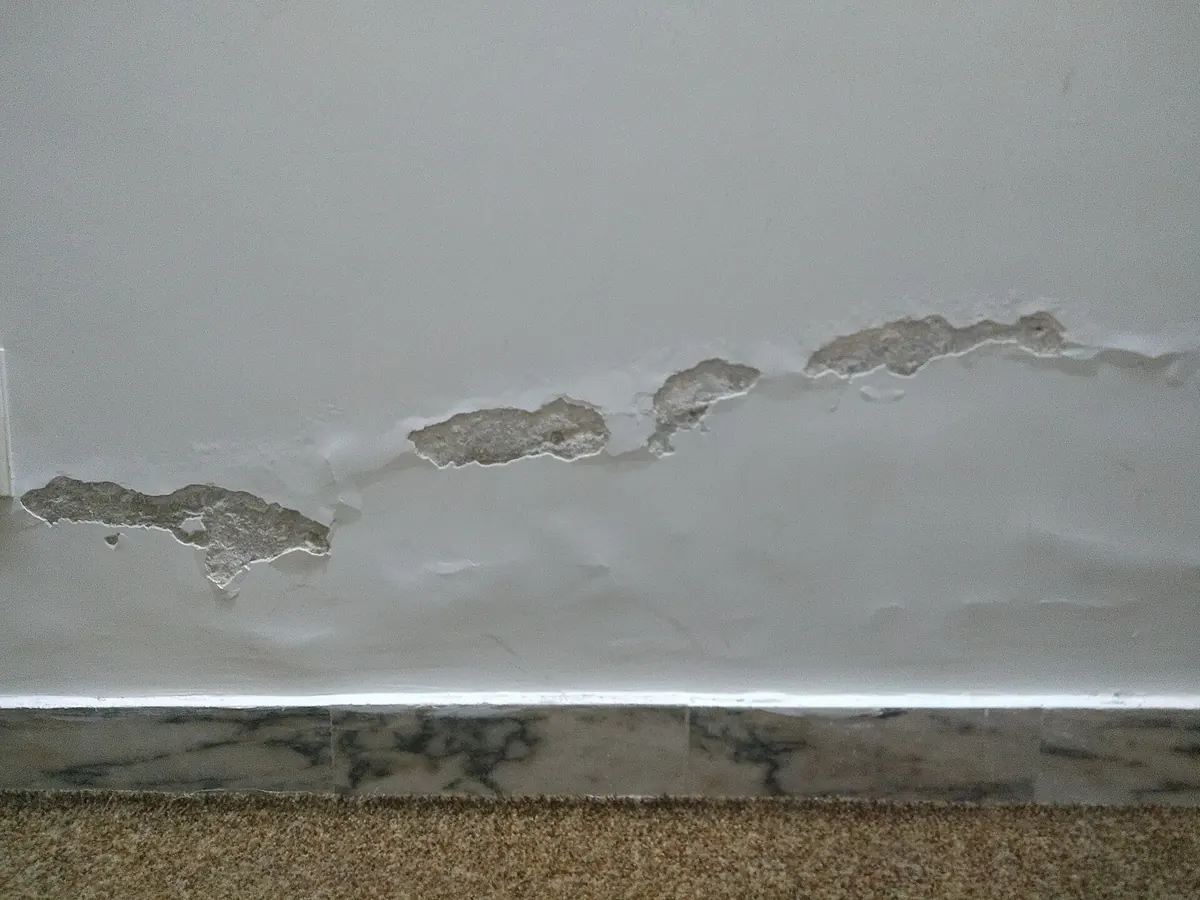
Hidden Mold in Globeville: Mold Remediation Services
Your hidden mold cleanup includes the spaces behind drywall, around fixtures and below flooring. Removal of damaged materials takes place inside containment; cleaning and drying follow for sound framing and cavity surfaces.
Before suspect materials are disturbed, containment is set up for your inspection. A cut-out inspection, borescope or inspection holes may uncover hidden surfaces where a leak has wet insulation despite intact finishes.
Your written scope of work defines access, removal and separate repairs. Mold behind walls is assessed beyond the visible stain. Newly exposed damage is assessed before the removal boundary expands.
- Moisture mapping for concealed growth
- Controlled access behind baseboards and cabinets
- Damaged drywall and insulation removal
- Measured Drying and Wall Cavity Cleaning
- Final checks before replacement finishes
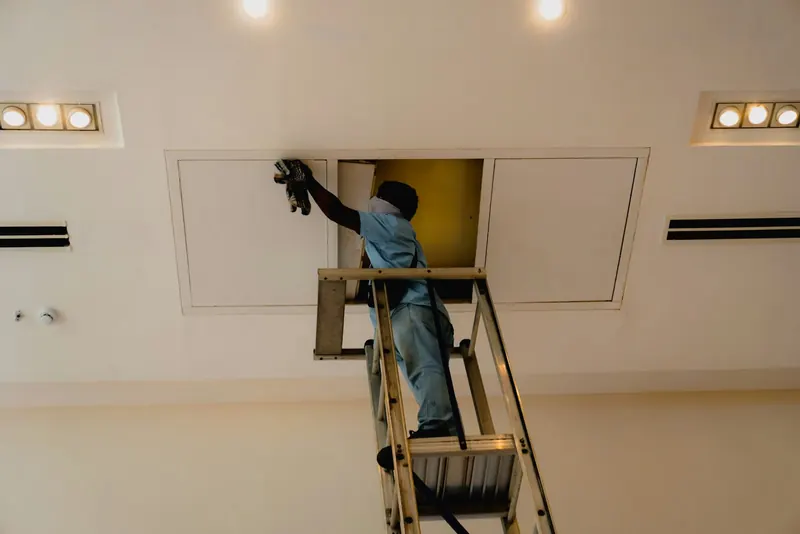
Hidden Mold Signs to Notice in Denver County Properties
Arrange assessment if you notice ongoing mustiness, recurring staining or damp finishes. These conditions by themselves cannot confirm hidden growth.
Hidden Mold Exposed During Repairs
When you repair cabinets or ceilings, concealed materials reveal growth.
Returning Mold on Walls
After surface cleaning, spots reappear where you also see stains or feel dampness.
Musty Smell Near a Finished Wall
Clean-looking exposed surfaces do not stop a lingering odor beside your wall or cabinet.
Loose Wallpaper or Flooring
Moisture below finishes may occur with cupped flooring, lifting wallpaper or underlayment that feels damp.
Soft Drywall Near Plumbing
You may see paint bubbling, baseboard swelling or softened drywall next to a sink or bathroom.
The Steps of Hidden Mold Remediation
For your mold cleanup, assessment precedes contained removal, and verification follows the cleaning.
Hidden Mold Inspection
Your assessment maps dampness with a moisture meter. A thermal imaging camera reveals differences in temperature without identifying mold.
Hidden Moisture Source and Scope
Planning your openings follows an assessment of leak paths. Cleanup boundaries, access limits and moisture repairs needed before closing walls are defined in your remediation protocol.
Containment Before Cavity Access
Poly sheeting encloses the area being opened as a containment barrier. During disturbance, a HEPA air scrubber, protective equipment and negative air pressure help restrict spreading particles.
Cavity Cleanup and Mold Removal From Drywall
The cleanup crew removes damaged drywall, insulation and uncleanable backing through assessed openings. Before debris leaves your rooms, bagging takes place within containment.
Cavity Surface Cleaning
Sound framing undergoes damp cleaning plus HEPA vacuum cleaning, as do accessible non-porous surfaces. Antimicrobial treatment, when appropriate, supplements physical removal rather than replacing it.
Controlled Drying and Moisture Control
A dehumidifier, air movers and drying equipment aid drying once removal and cleaning are finished. As the water source is corrected, moisture readings monitor drying progress.
Verification and Containment Removal
Final cleaning, drying and agreed post-remediation verification are completed before containment comes down. An independent assessor performs clearance testing when specified, and replacement materials follow the final checks.
Your Hidden Mold Remediation Choice: Denver Mold Removal Services
Contained Cavity Work
A protected debris path works with HEPA filtration and containment to reduce spreading particles during your cavity opening.
Hidden Moisture First
Before cleanup starts, water paths are traced to include concealed moisture in your repair and removal scope.
Clear Scope Before Opening
Access limits and removal boundaries are established ahead of work, then newly revealed damage is assessed before extending removal.
Calls Answered 24/7
One number starts your concealed mold assessment across the metro, day or night.
Removal Through Final Checks
Verification comes before closing walls, after removing damaged material and cleaning and drying surfaces that remain sound.
Denver County Hidden Mold Cleanup: Steps Before Work
Keep your suspect finishes intact. Phone to schedule an assessment.
- Stop New Water. Stop using a leaking fixture when safe, and avoid wet electrical equipment.
- Leave Surfaces Intact. Avoid investigating by cutting drywall or peeling wallpaper.
- Keep People Clear. Keep children and pets away from affected materials and damaged finishes.
- Avoid Spreading Particles. Do not aim fans into a suspect cavity or run HVAC equipment suspected of mold contamination.
- Limit Recent Water Damage. EPA advises drying water-damaged areas and items within 24 to 48 hours to prevent mold growth.
Understanding Hidden Mold Remediation Cost in Globeville, CO
Your price depends on access, concealed growth and replacement materials. These published national ranges distinguish removal from drywall repair. Your scope and price are defined before cleanup starts.
Behind a Bathroom Tub or Vanity: Mold Cleanup, Up to
$500 to $8,000 per jobSource: Bob Vila, Mold Remediation Cost (cites Angi and HomeAdvisor) (checked 2026-10-23)After Removal: Repair or Replace Drywall
$1,000 to $2,900 per jobSource: Servpro, Mold Remediation Cost (checked 2026-10-23)How Your Globeville Cost Can Change
- Size and depth of concealed growth
- Containment and waste route
- Replacement of affected materials
- Moisture source repair
- Fixture removal for access
Your Hidden Mold Cleanup Price
These published national ranges are planning figures. Your on-site assessment defines the work and price before cleanup starts, including any separate source repairs or rebuilding.
Call (844) 352-3560 about costHidden Mold Remediation (Behind Walls) Service Area Across Greater Denver
Call (844) 352-3560 to arrange cleanup in Globeville or nearby communities. One number covers the metro.
Hidden Mold Remediation (Behind Walls) in Locations Near Globeville
ZIP codes
Answers to Hidden Mold Remediation (Behind Walls) Questions in Globeville
In Globeville, how long will your hidden mold cleanup last?
Your timing is determined once access needs and affected cavities have been assessed. Removing cabinets, opening several wall layers or drying thick framing adds work. Your drying timeframe follows moisture readings. Walls close after final checks; separate repairs to plumbing, drywall or finishes also affect when you can use your room.
Will mold return after the wall is closed?
Mold can return if the moisture problem remains. Your cleanup starts with tracing leaks and dampness, then removing damaged materials and cleaning sound surfaces. Cavities are dried and checked before rebuilding. Repairing the source and maintaining moisture control reduce the conditions behind growth concealed by your finishes.
Can you stay home while wall cavities are cleaned?
Separate living areas and access routes away from the work zone may allow you to stay. That choice depends on shared ventilation, access to bathrooms and your household's needs. Your assessment establishes restrictions before removal begins. With some layouts, containment work, cleaning and final checks require you to relocate temporarily.
Does cleanup include fixing your hidden leak?
The moisture source is traced during assessment, and the repair needed is identified alongside removal. Repairs to windows, roofs or plumbing are included only if your scope lists the work. Your cavity must not close around an unresolved water source, so separate repair work is specified ahead of cleanup.
Do you need to remove all the walls?
No. Assessment and controlled access establish growth extent and material condition, which guide what is removed from your property. Sound adjoining surfaces can remain. Mold on drywall can require taking out the affected section; treated framing remains when cleanable. Your original boundary may shift as damage is uncovered.
Is mold testing necessary ahead of wall opening or following it?
A specific assessment question determines the testing selected. Air sampling alone does not locate growth inside a particular wall cavity; inspection and moisture checks guide access. After removal, check that cleaning and drying are complete. An independent assessor performs clearance testing when specified. There is no federal limit for mold levels indoors.
How much does concealed mold cleanup cost in Denver County?
How much hidden damage exists, which openings are needed to reach it and what materials come out determine your cost. The cost cards above show published national ranges with their sources. Fixture removal, drying and rebuilding affect your total. Cleanup and separate repairs are defined before work starts.
Hidden Mold Cleanup in Colorado: Insurance Considerations
Water origin and your policy's mold limits, deductible and exclusions determine coverage. An insurance decision on cleanup can differ from decisions on source repairs or rebuilding.
Hidden Mold and Cavity Opening Safety Across Greater Denver
Containment limits particle spread during cavity opening. A surface stain does not establish the removal area.
Hidden Cavity Damage
Insulation and framing conditions remain unconfirmed by surface appearance alone.
Hidden Mold Dust
Mold spores can enter surrounding rooms when you peel wallpaper or open walls.
Mold Color
CDC says color does not tell you how risky a mold is.
Sensitive Occupants
CDC notes that allergy symptoms and asthma symptoms can be triggered by mold in some people.
Cleanup scope: Homeowners can often clean areas under about 10 square feet, according to EPA. Concealed growth cannot be determined by a visible patch. Larger areas, HVAC involvement or contaminated water call for professional help.
Cleaning or Removing Materials With Hidden Mold in Globeville
Removing porous materials that cannot be saved reveals your hidden growth. Sound framing can remain once cleaned and dried.
Cleanable Cavity Surfaces
- Sound wood framing and accessible metal surfaces are cleaned and dried.
Damaged Porous Materials
- Affected drywall, insulation, cabinet backing and uncleanable flooring layers may need removal.
Replacement Finishes
- New drywall, trim, insulation and paint come after verification if rebuilding forms part of your scope.
Hidden Mold Cleanup Timing Across Greater Denver
Access, drying and repairs determine how long it takes to complete your cleanup.
- Controlled Access: Fixtures and layered finishes add removal work.
- Cavity Drying: Wall closure readiness depends on moisture readings.
- Completion: Rebuilding and verification influence when rooms reopen.
Globeville Hidden Mold: Understanding Odor and Humidity
When you notice a musty smell, investigation includes checking moisture. Fragrance cannot clean cavities or tell you the quality of indoor air.
A leak inside your wall remains even if you lower room humidity. For indoor relative humidity, EPA advises less than 60 percent and an ideal range of 30 to 50 percent.
Colorado Requirements Governing Hidden Mold Cleanup
Cavity Work Requirements
Colorado does not appear to have a statewide license for mold assessors or remediators. A 2025 bill that would have had the state register them did not pass, so it is worth asking any contractor about their training and checking local contractor rules.
Repair Permits
Permit requirements depend on the structural, electrical or plumbing work included.
Rental Properties
Since 2025, Colorado rental agreements are to say where a tenant can report or deliver written notice of an unsafe or uninhabitable condition, so renters can start with that notice to the landlord.
State Mold Information
The Colorado Department of Public Health and Environment (CDPHE) is the state health agency that EPA lists as Colorado's indoor air quality contact.
State guidance: Colorado General Assembly, HB19-1170 Residential Tenants Health & Safety Act (summary as enacted); Colorado General Assembly, SB24-094 Safe Housing for Residential Tenants (summary as enacted); Colorado General Assembly, HB25-1202 Increasing Public Awareness of Mold Health Effects (lost); EPA, Who can test my home or clean, fix and remediate my home for mold?; EPA, Region 8 state indoor air quality contacts (PDF)
Related Services and Next Steps
Start Your Hidden Mold Remediation (Behind Walls) in Globeville
Call 24/7 to arrange your assessment. Your cleanup starts with the affected surfaces, moisture source and access to your home.